Adding the modal overlay screen makes the dialog look more prominent because it dims out the page content.
Apache owes its roots to the spirit of exploration. After all, we are explorers, and it is the spirit that moves us forward. Join us as we explore ourselves, our industry and the people who make it all happen.

May 2008
Canada discoveries expected to pave way for long-term growth in North America.

“An expanded Canadian team was established in September 2007 to drive planning and execution,” of Ootla, says Peter Chernik, Apache shale gas/frontier manager. The team’s breakthroughs are expected to pave the way for long-term development of one of North America’s highest-potential plays.
DRILLING AND COMPLETING three long-reach horizontal wells – each with six fracture stimulations – at the Ootla shale gas play during the darkest, coldest days of winter in Northeast British Columbia tested the mettle of the Canada Region’s drilling and production teams. But the breakthroughs they reached are expected to pave the way for long-term development in one of North America’s highest-potential plays.
After successful testing of the Klua and Muskwa shale over the past three years, the region planned an accelerated 2007-2008 schedule.
“An expanded Canadian team was established in September 2007 to drive planning and execution,” says Peter Chernik, Apache shale gas/frontier manager.
With the help of Rodney Smith, production foreman, a team of top well-site consultants handpicked from Apache’s Central Alberta region ran the heroic onsite efforts at the Dilly drilling location. This group, along with the Calgary and Houston teams, coordinated construction of winter roads and the A-2-J pad site, drilled three horizontal wells, and tied the wells into long-term production.
In addition, Dave Sherman, Apache production engineer, worked with partner company EnCana to engineer a system to truck 282,000 barrels of water across six miles, store it, and keep it from freezing so it could be used for fracture (frac) stimulation.
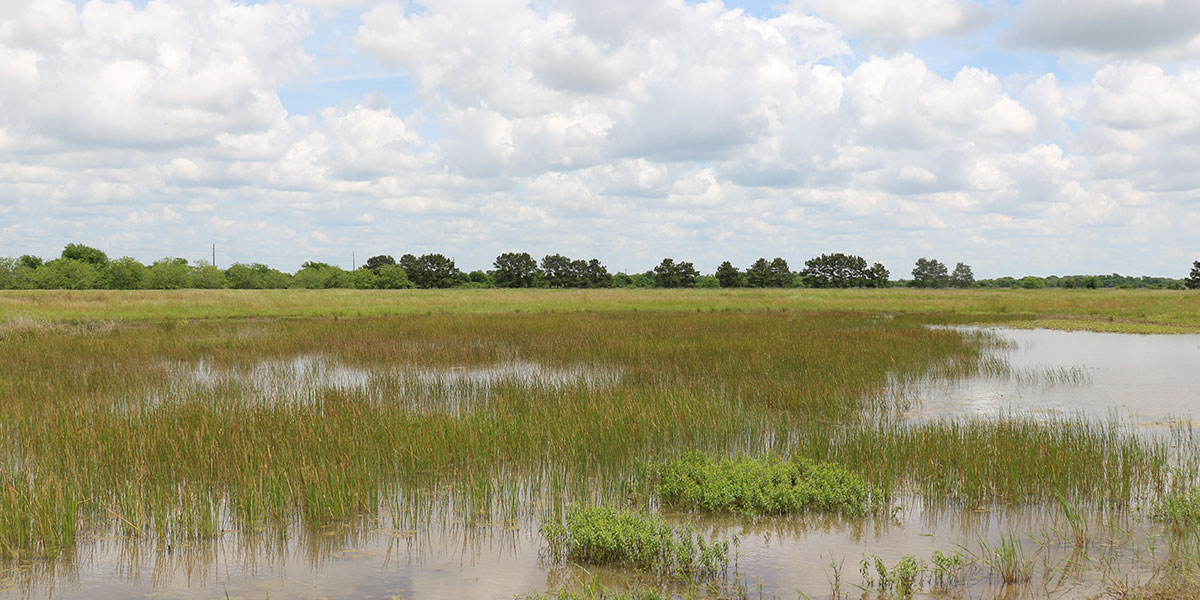
Dan Kamieniecki, drilling superintendent, made sure each horizontal well was drilled in 25 to 30 days. Each of the three wells was drilled 13,300 feet, including 3,800-foot horizontal sections. Drilling wells from the common pad is advantageous because of the swampy environment at Ootla.
![]() Apache expanded the capacity of its Missile gas processing plant by adding two new gas compressors and enhanced water disposal capabilities. |
![]() Last season, 7.8 million pounds of sand were pumped into 18 fracs. |
Over the years, hydraulic fracture stimulation at Ootla has been aggressively expanded from single-stage fracs in vertical wells to multi-stage fracs (up to six) in each horizontal well. In the 2007-2008 season, a total of 7.8 million pounds of sand was pumped into 18 fracs. Under the guidance of Tom Hellman, manager of completion and production optimization, and Gordon Mayr, senior staff engineer, more than 4.15 million pounds of sand and 114,750 barrels of water were pumped into six fracs within the B-99-H well in February and March – 150 times more sand than was used in the first test well, A-12-H.
Apache also expanded the capacity of its nearby Missile gas processing plant by adding two new gas compressors and enhanced water disposal capabilities. An eight-mile permanent road was constructed to make the plant accessible year-round.
Because the winter season is so short, all activity at Dilly and the Missile plant occurred between Dec. 15 and March 15. Every day was important, and multiple operations were often conducted at the same time. For example, lease construction, drilling, fracture treating, and other operations took place concurrently.
Other members of the Canadian team include: Howard Pitts, senior staff geologist; Scot Pfalzgraff, reservoir engineering advisor; Craig Rice, senior staff petrophysicist; Duane Rose, senior surface landman; Peter Kuijper, senior staff facilities engineer; Don Babiuk; production engineering advisor; Mark Pavka, construction coordinator; Nancy Wilson, senior mineral landman; and Taiwen Chen, senior staff geophysicist.
Going forward, the Calgary and Houston teams aim to significantly reduce costs, and they have already identified a series of step changes that will likely be tested in the 2009 program.
According to Rob Spitzer, vice president of Exploration in Canada, “The task now is to execute the 2009 program with anticipated cost reductions and find another large shale play.”